


Field check-in
RN, LPN, allied health, techs — if you sign contracts to work on the road, this is for you. Built from contracts I've actually signed and a fifth wheel I've actually towed.
I asked a group of travelers what they wished they’d checked before signing. The same few clauses kept coming up — the ones that quietly cost travelers thousands per contract. And the quietest question in that thread was the most important one: “Can I even ask to see the contract from my recruiter?” Yes. Always. Before you sign anything. A recruiter who hesitates to send the full written contract is telling you something. Here’s what to look for once it’s in your hands.
If the census drops and the facility calls you off, guaranteed hours are what keep you paid anyway. Without them, a light week is an unpaid week.
“The Facility guarantees 36 hours per week, less up to 36 call-off hours per assignment, after which called-off hours are paid at the contracted rate.”
The word “guaranteed” has to actually appear. And “guaranteed hours less 36” isn’t a perk — it means they can send you home for 36 unpaid hours before any protection kicks in. Know that number cold before you sign.
Ask your recruiter: How many hours are guaranteed, and how many call-off hours are unpaid before I’m paid regardless?
A call-off costs you the hourly — but the real question is whether it also shrinks your stipend, which is the biggest slice of your check.
“Housing and per-diem stipends are paid weekly provided the Traveler completes the minimum contracted hours; unworked hours may be prorated against the weekly stipend.”
This is the line nobody reads. If a call-off can cut your stipend, a slow week hits you twice. Get it in writing whether guaranteed hours protect the stipend too — not just the taxable rate.
Ask your recruiter: If the facility calls me off, does that reduce my stipend — or only my taxable hourly?
Miss hours and your check can crater. How much depends entirely on whether pay is prorated by the hour or by the day.
“In any week the Traveler works fewer than 36 hours, total weekly compensation shall be prorated on a per-hour basis.”
Per-hour vs per-day isn’t a technicality — on the same short week the two methods can differ by hundreds of dollars. Find out which one is in your contract before a missed shift teaches you.
Ask your recruiter: If I don’t hit my hours, is my pay prorated per hour or per day?
Over 15 years across psych units, corrections, neurosurgery, LTC, clinics, and hospital floors — including the corners of nursing most travel guides skip. Every one of them taught me the same lesson: which contracts protect you, and which ones quietly don't. The title on the badge changes — the fine print doesn't.
See what I've built
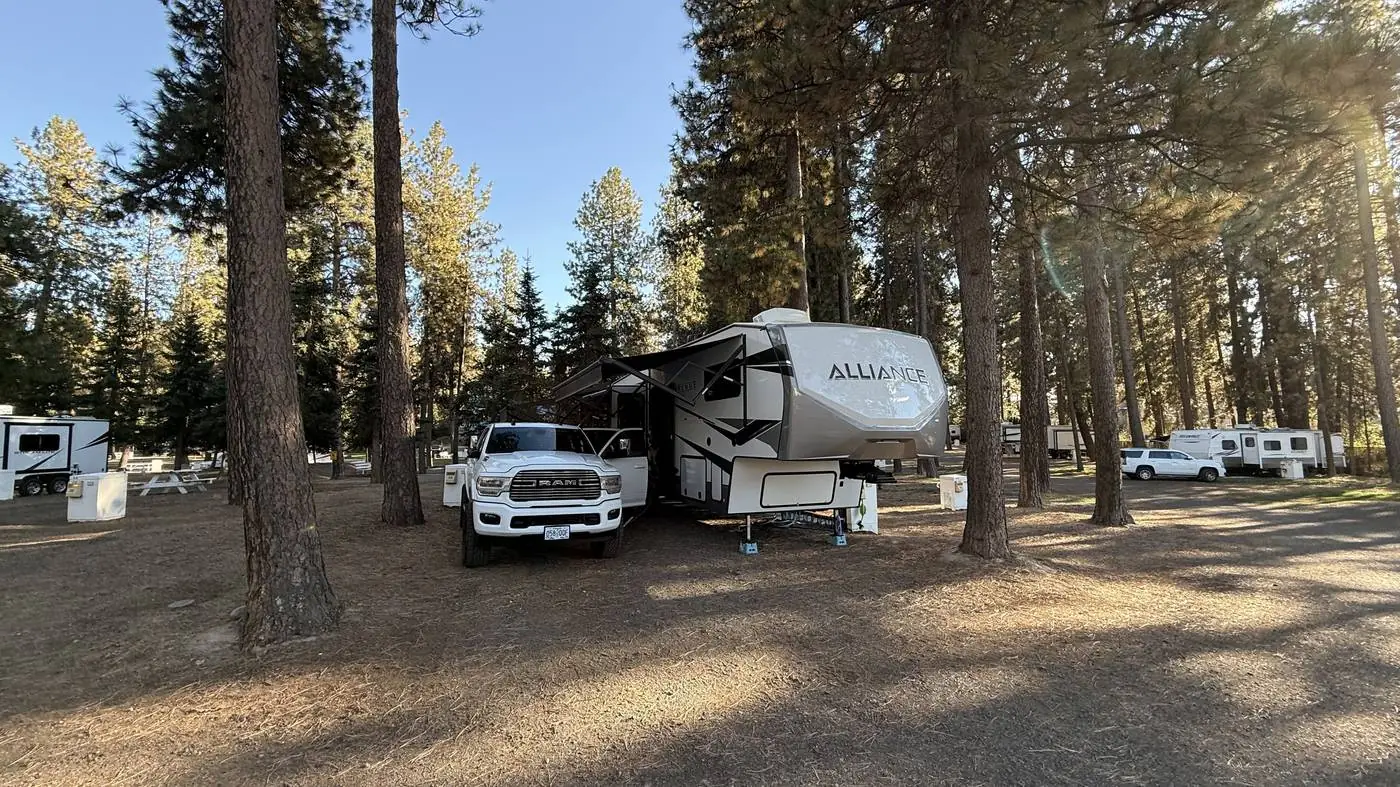
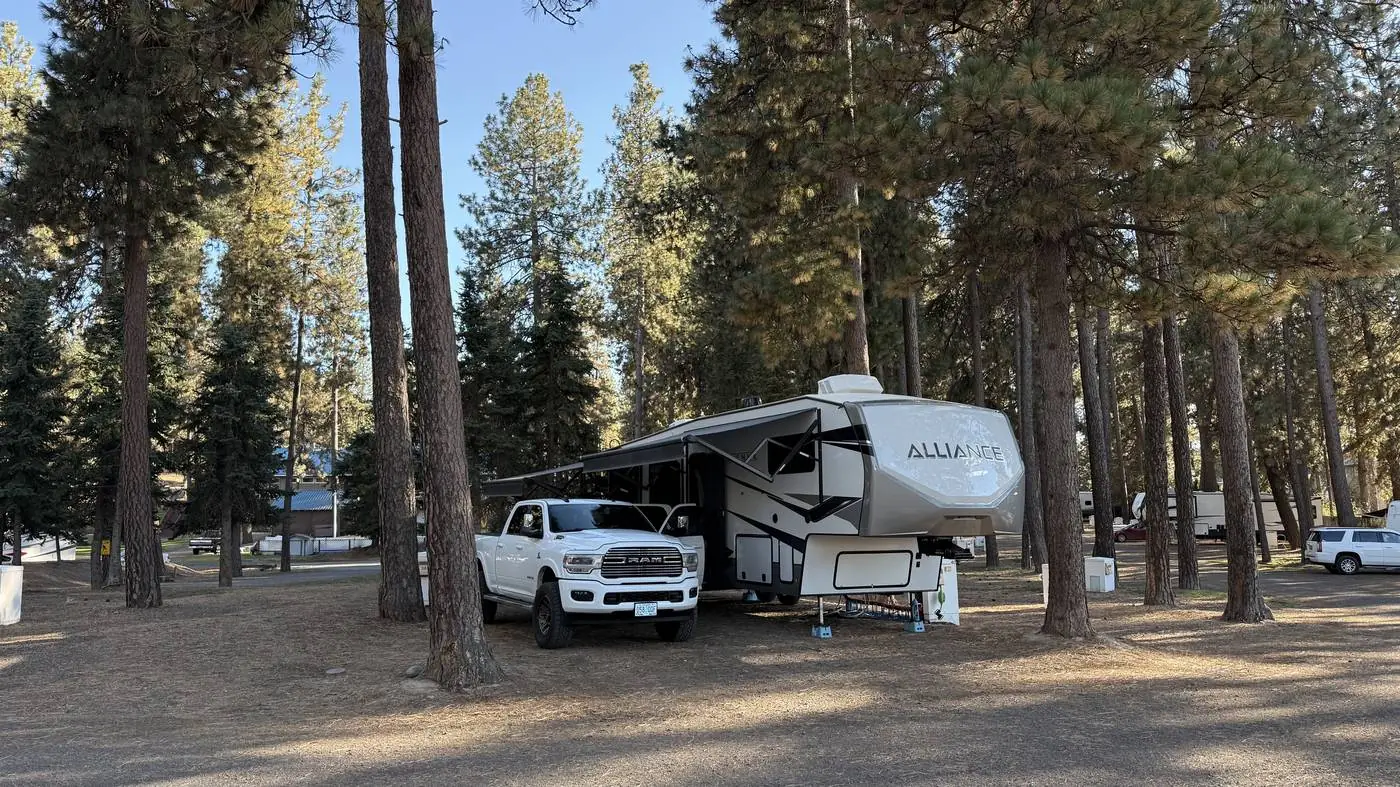
An Alliance fifth wheel, a diesel Ram 2500, and a route that gets re-planned every time a contract does.
Every toolkit is built from a tax home I've actually defended and state lines I've actually crossed.
The Travel Nurse Contract Protection Pack is the practical first step before you sign — compare up to four offers, organize your recruiter questions, review key contract clauses, and prepare the messages you need for the conversation.
No road-trip toolkit is complete without the co-pilots.
Field check-in
Full send
Daisy season
Rushmore, checked offContract red flags, RV park finds, and the occasional dog photo — straight from the road.